
Online safety at Gastrells
At Gastrells School we welcome and encourage the use of new technologies and aim to use them, when they are appropriate, to support children enhancing their work. We recognise our responsibility to take all reasonable measures to ensure that the risks of harm to children’s welfare are minimised; and, where there are concerns about young people’s welfare, to take appropriate actions to address those concerns.
E-safety Curriculum
Our work regarding online safety with children from Early Years to Year 6 is supported through Computing The knowledge and skills children need to remain safe online are taught throughout the year and to all year groups in an age appropriate way.
We have included the ‘Interland’ game on our website to support pupils in learning about online safety in a fun and interactive way.
https://beinternetawesome.withgoogle.com/en_us/interland
Our Children’s Voice
As staff, we believe it is essential to listen to our children’s voice in order to understand their experiences and support them effectively. Our pupils have shared their own thoughts and advice about e-safety and online safety, reflecting what they have learned at different stages of their education.
What Children Say About Online Safety
Early Years “Mummy and Daddy know what I play so I’m safe.”
Year 1 “Using an avatar is fun, but it’s really to hide who you are and keep you safe.”
Year 2 “Don’t share your passwords or people can get into your work and ruin it. You wouldn’t know who it was either.”
Year 3 “Make sure parents know what you are looking at online, some websites are not safe.”
Year 4 “You have to be old enough to play some games. Some games are not made for us to play. Check with your Mum and Dad first.”
Year 5 “You wouldn’t send a photo of yourself around class, so why would you post it on the internet where you don’t know who can see it?”
Year 6 “ The first person to keep me safe is me. I control what I share.”
Online Learning and Safety – The 4 Cs
Childnet identifies four key areas of online risk, known as the ‘4 Cs’: Content, Contact, Conduct and Commercialism.
Conduct
Children may be at risk because of their own online behaviour, such as sharing too much personal information.
Children need to understand the impact their online actions can have on themselves and others, including the digital footprint they create. It is important they recognise that content shared online can be viewed and shared by others. Children should be encouraged to keep personal information private and to report any inappropriate messages, images or behaviours to a trusted adult.
Content
Children may encounter age-inappropriate, unreliable or harmful content online.
Some material accessed through websites, games, social media or blogs may not be suitable for children. Pupils should be encouraged to question whether online information is reliable or accurate. Parents may need to support children as they develop these skills. There can also be legal consequences for downloading or sharing copyrighted content without permission.
Contact
Children may be contacted by bullies or by people who are not who they claim to be.
Children should understand that people they meet online may not be genuine and that adding someone as a friend may allow access to personal information. Regularly reviewing friends lists and adjusting privacy settings can help keep children safe. Children should be reminded to tell a trusted adult immediately if they feel uncomfortable or experience bullying online.
If there are concerns about inappropriate sexual contact or behaviour, this should be reported via the Child Exploitation and Online Protection Centre (CEOP).
Commercialism
Children may be unaware of advertising, hidden costs or in-app purchases.
Advertising and marketing can affect children’s enjoyment and privacy online and may lead to accidental spending. Parents are encouraged to turn off in-app purchases where possible, block pop-ups and spam emails, and use a family email address when completing online forms.
Supporting Your Child at Home
Children are keen to explore the online world but may not always be mature enough to understand the risks. You can help by talking regularly with your child and asking questions such as:
- Where are you going online and what are you seeing?
- What do you do when you’re online?
- Who are you talking to?
- Have you been asked for money or payments?
These conversations help address risks linked to content, conduct, contact and commercialism.
Guidance for Parents
At Gastrells, we work hard to stay up to date with e-safety issues and concerns that children may experience.
Please follow the link below to view our E-safety Awareness Guide for Parents, created by the school’s e-safety leader.
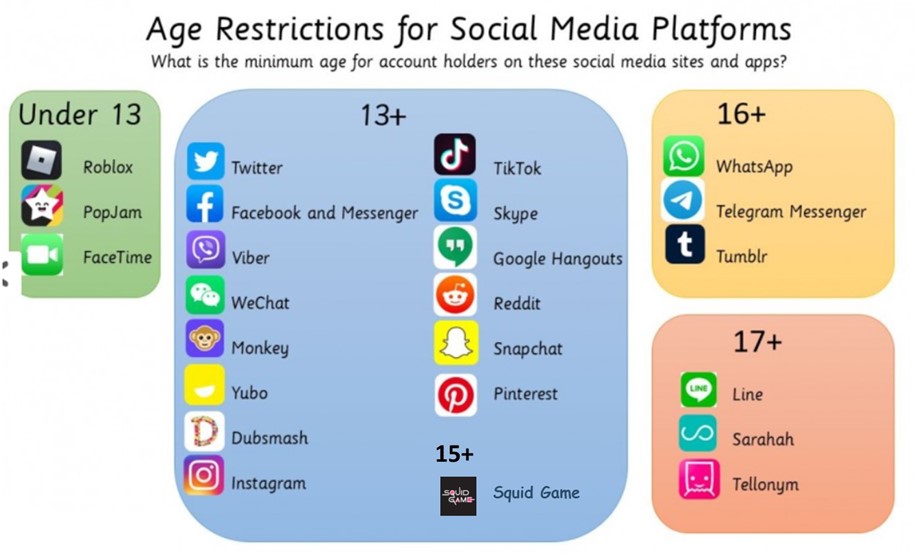
Below is a guide to help inform parents and carers of appropriate age limits for children to access some social media sites.
Online Safety Websites:
Click icons to open

CEOP (The Child Exploitation and Online Protection Centre) delivers a multi-agency service dedicated to tackling the abuse and exploitation of children in the real and online world.

The “Thinkuknow” website is brought to you by The Child Exploitation and Online protection (CEOP) centre. It is a guide to online safety for young people. It offers e-safety advice and resources for children and parents.

Internet Matters is a new online portal designed for parents to access simple, easy and practical advice about online safety for their children, right through from pre-school to teens. It provides tips on protecting children from online grooming, cyberbullying, privacy and identity theft and inappropriate content.

Ask About Games provides details on PEGI ratings, parental controls and advice on video games. It aims to answer questions parents and players may have about video game ratings and provide advice on how to game responsibly and get the most of them for their family.

ParentZone is an online site devoted to providing expert information to families and schools. They check and provide a range of issues with the aim of improving outcomes for children in a digital world.

The Internet Watch Foundation works internationally with the internet industry, police and governments to remove inappropriate content from the web. It can be used for reporting criminal online content in the UK.

Common Sense Media provides valuable information for parents to enable them to make smart media choices for the family. It provides unbiased information on educational ratings and reviews for movies, games, apps, TV shows, websites, books and music.

Childline provides free advice and information to those aged 18 years and below, including advice on ‘online and mobile safety’. Childline also provides the ‘zipit’ app for iOS and android devices. The app aims to help young people respond safely to requests for inappropriate images by sending back a ‘joke image. Information on the Zipit app may be found Here
 gastrellsprimaryschool.co.uk