At Gastrells we believe in giving young scientists a ‘A flying start to a life of learning’. We aspire for Gastrells pupils to leave us with a positive view of science and a curiosity to learn more. We have 3 broad aims – that science should be:
- Stimulating – scientific experiences and discovery of evidence is thought-provoking and encourages questions. The curriculum is designed with retrieval opportunities and the chance to build on prior learning. Events and opportunities link to science knowledge and we provide specific opportunities to link knowledge with other subjects.
- Relevant – our pupils see that science is all around them, relevant to their many interests, and a gateway to a variety of career paths. Science is inclusive; pupils leave Gastrells with a positive and informed understanding of science, where stereotypes and misrepresentations are challenged regarding what science looks like and who can do it.
- Visible – science themed book sets are available for guided reading. Children experience challenge through whole school scientific activities or STEM projects.
Science subject snapshot
A 1-page summary of what a pupil can expect to expect to see, do and experience in Science:

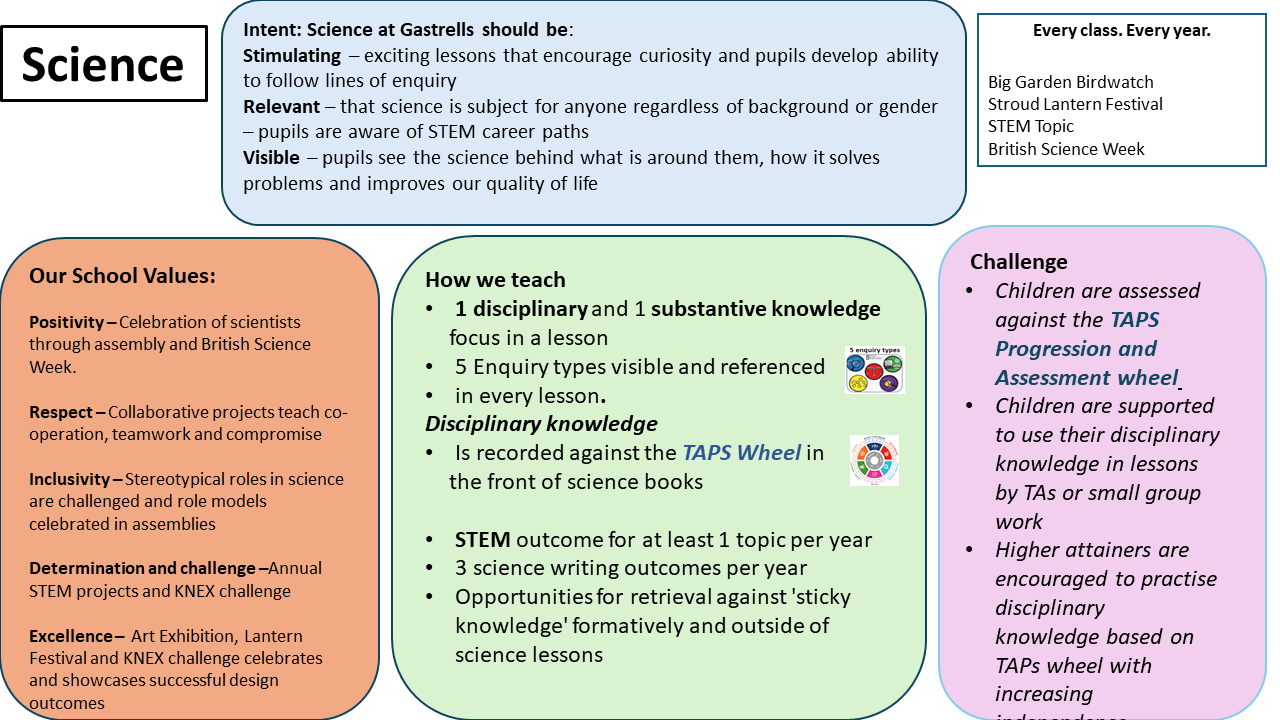
Knowledge Intent and Impact for Science at Gastrells
The knowledge and skills pupils will be taught (the intent), what they need to remember (sticky knowledge) and what they will have learnt (the impact).
Our learning process exemplified
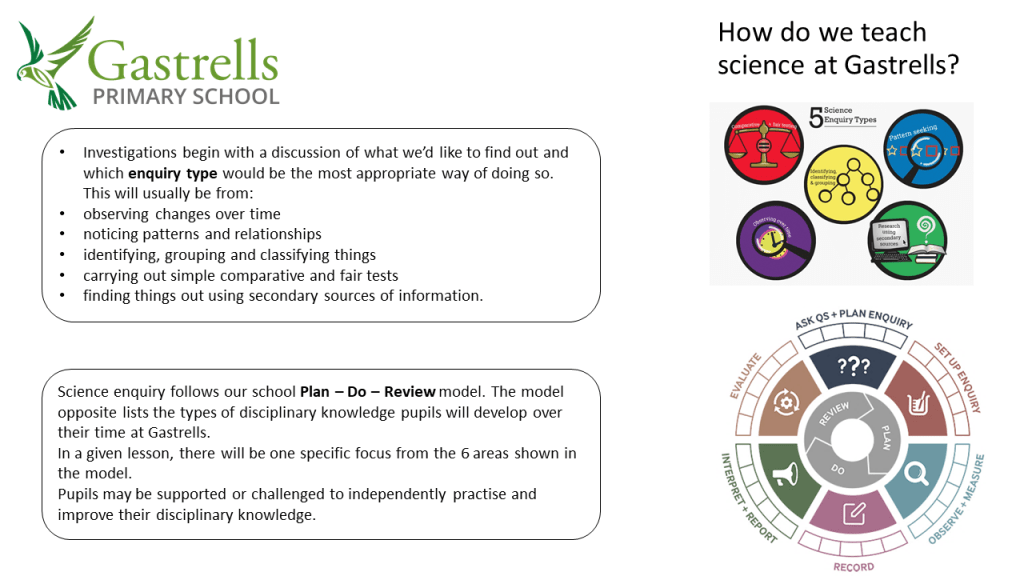
To help our pupils understand what it is to research scientifically, we discuss which enquiry type is most appropriate to use at the beginning of each lesson. We aspire for pupils to become increasingly independent in identifying this as they move through the school. Included below are some examples of what this might look like.
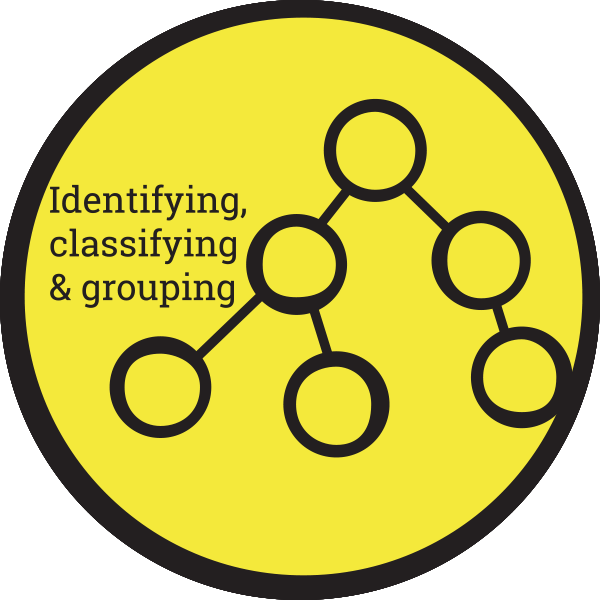
Grouping or classifying items – this could be presented in a variety of ways including photos, binary decision trees, or Venn diagrams.
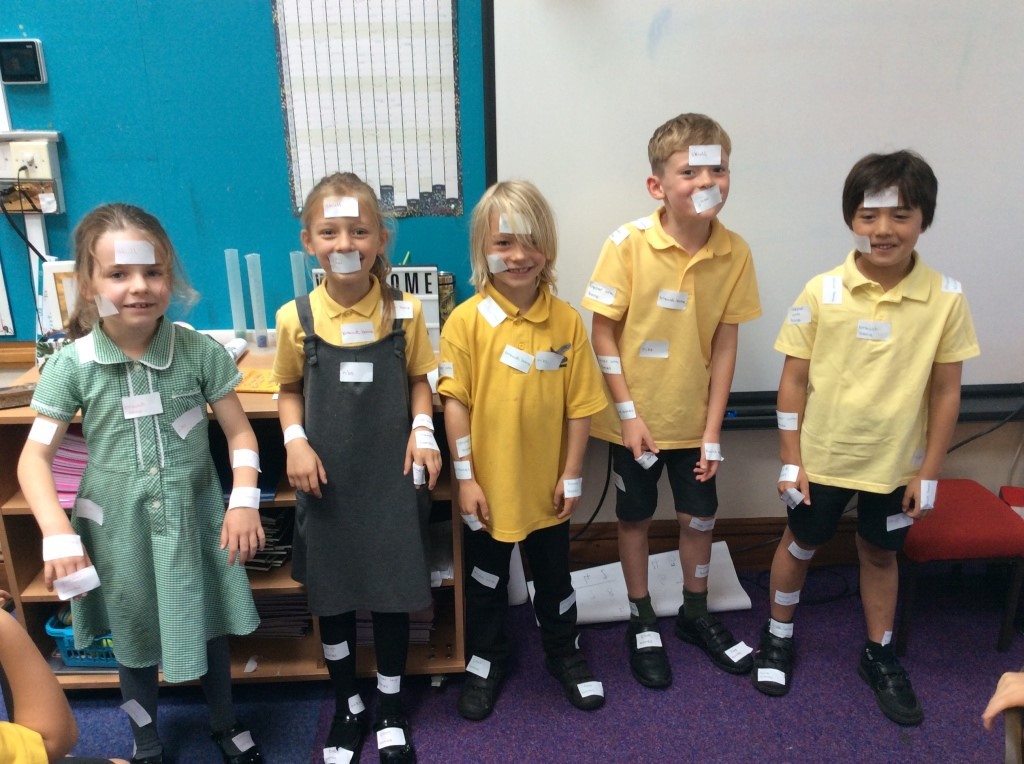
Labelling parts of the body, Y3
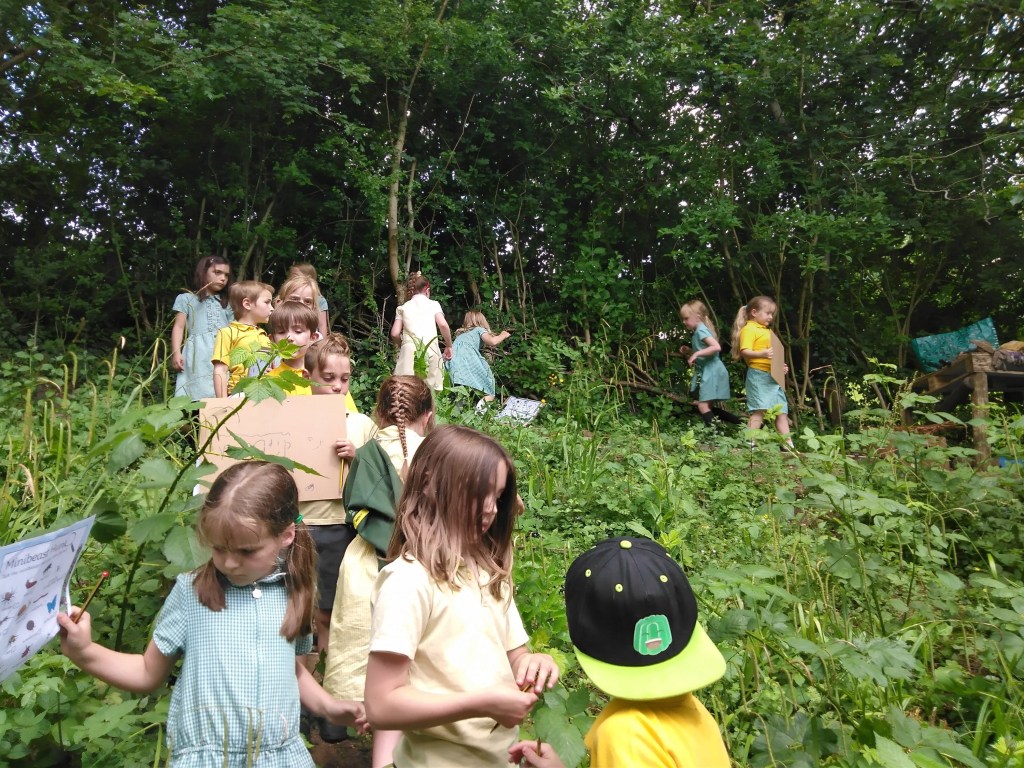
A minibeast survey, Y2
Pattern-seeking enquiries are used to find relationships where certain variables can’t be controlled.
Commonly this could be something like a nature survey, or a simple test that leads on to a more systematic, fair/comparative test later on. (see comparative tests below)
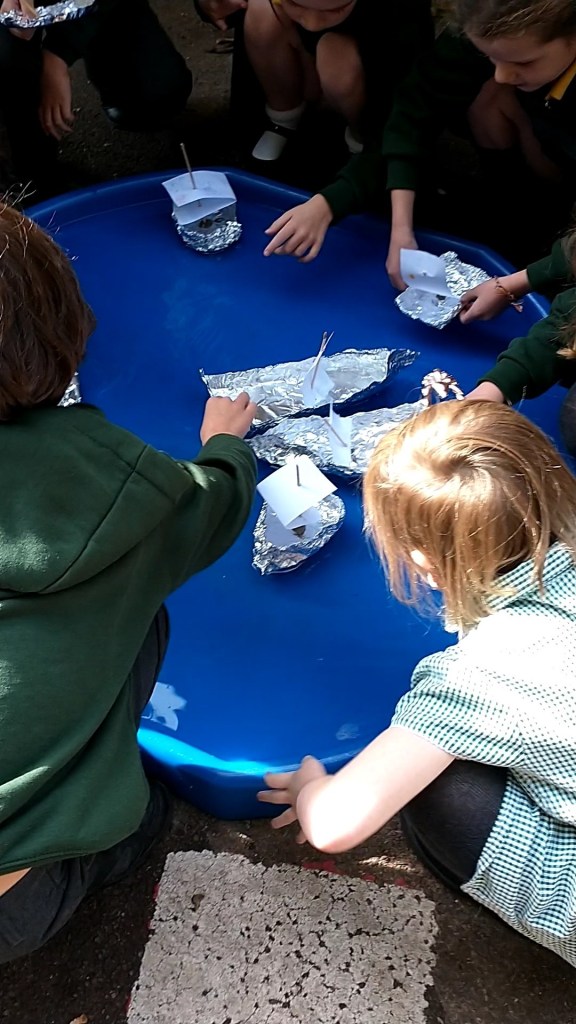
Do bigger boats float heavier weights? (Y1)
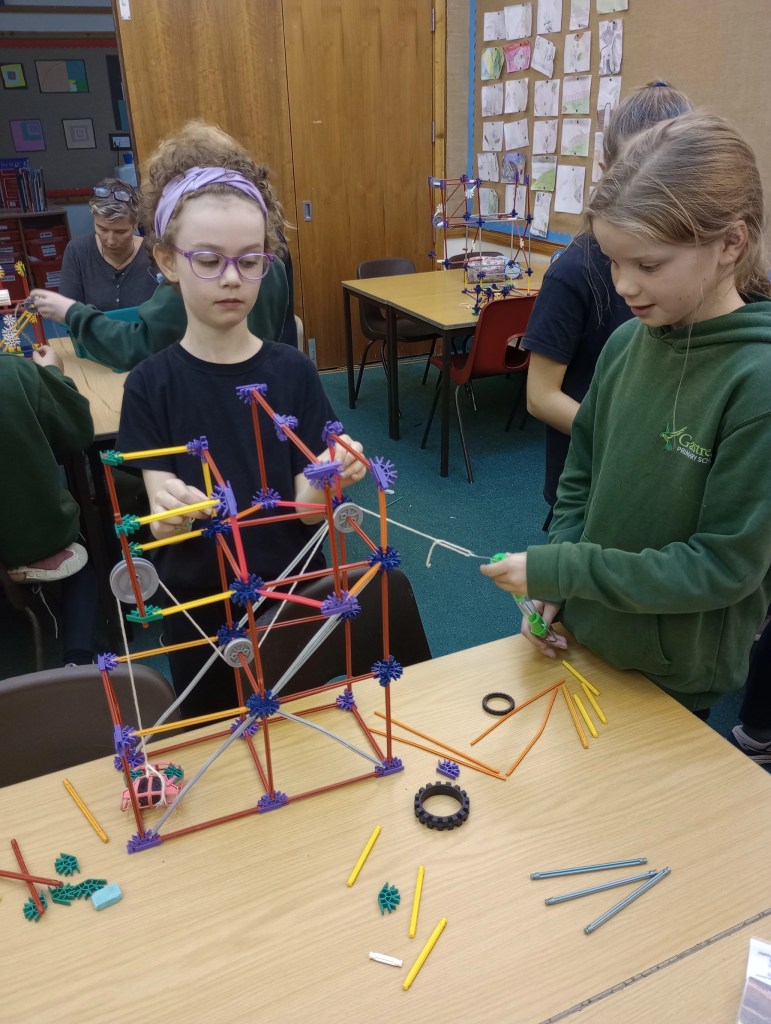
Do more pulleys reduce the effort to lift a weight? (Y5)
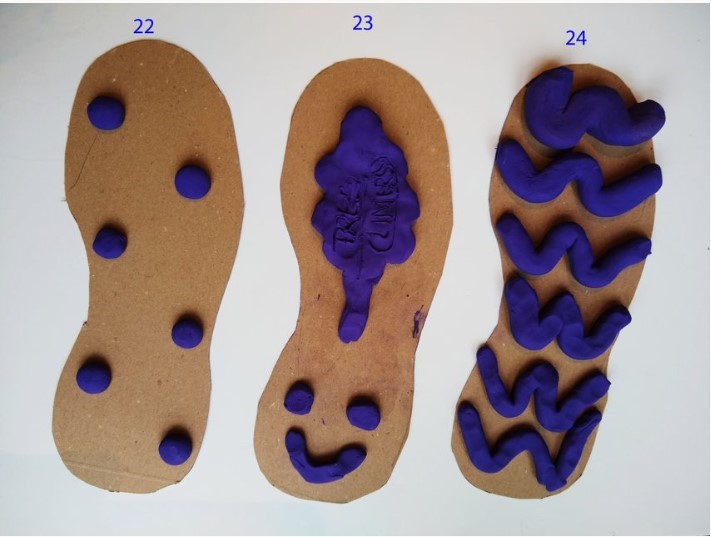

A Sole friction experiment, Y5
Closely observing and reporting on changes over a period of time.

Leaf hunting in Autumn, EYFS
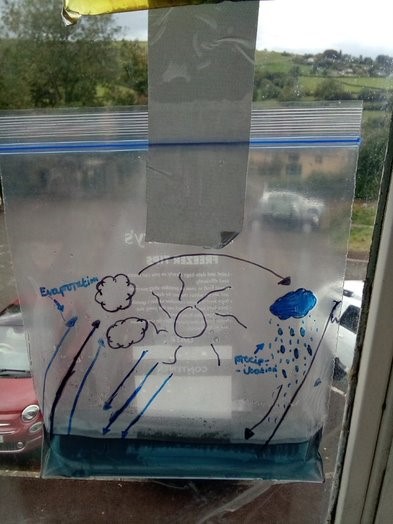
Observing the water cycle in Y4

Observing how animals give birth to offspring, Y2
Fair Testing can be similar to pattern spotting however it involves changing one variable at a time while keeping all other variables the same. This controlled testing allows the person conducting the test to be sure that no other variable has affected the results.
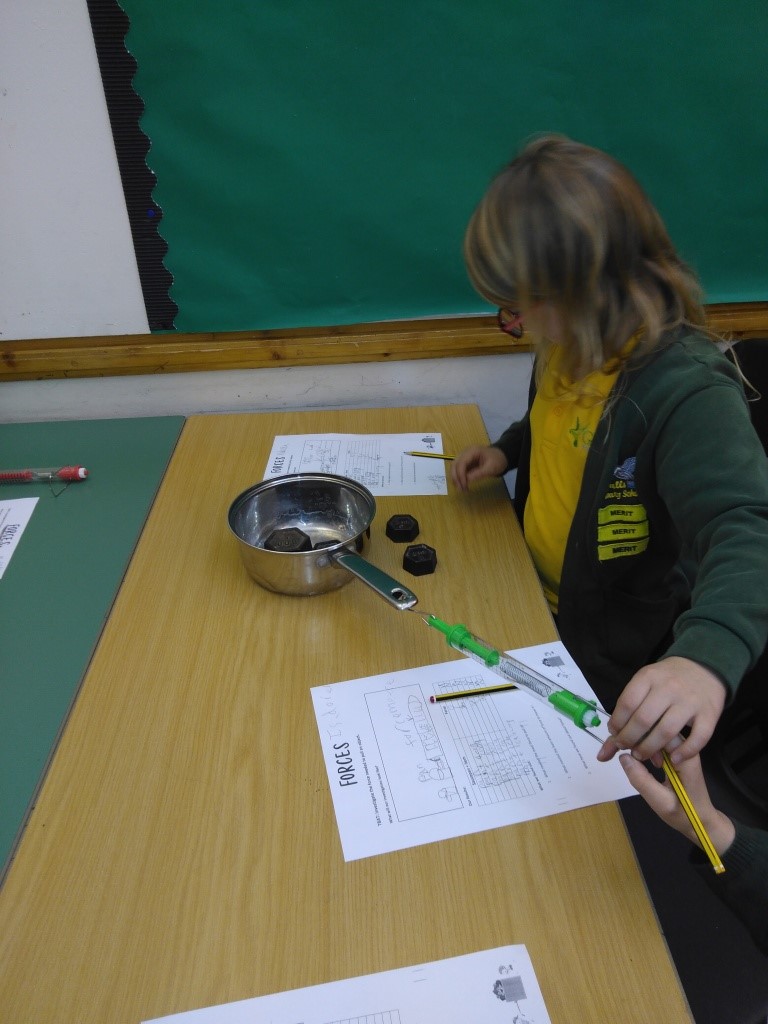
Comparing mass of an object vs. force required to move it.
Research using sources such as the internet, books, podcasts or TV documentaries.
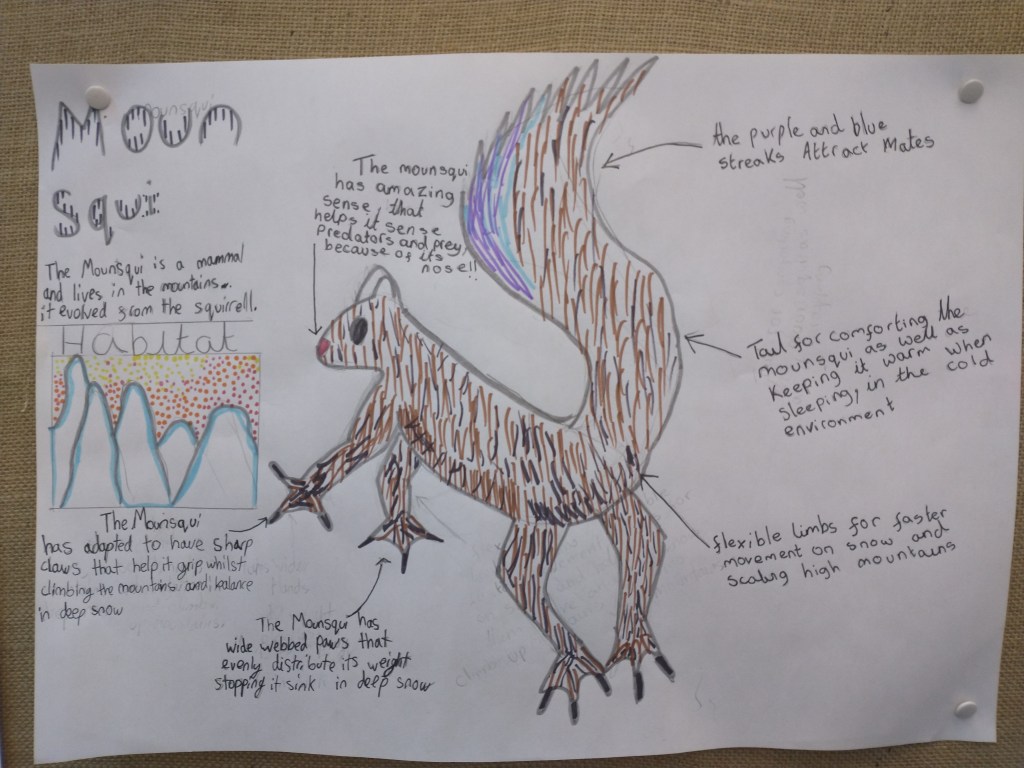
Creating a ficticious creature based on study of evolution in Y6.
 gastrellsprimaryschool.co.uk